
Understanding Sustainable Travel in Komodo and Flores
Sustainable travel refers to responsible tourism that respects local cultures, nature, and ecosystems while aiming to minimize negative impacts. In Komodo and Flores, this means engaging in eco-friendly practices, supporting local communities, and preserving the stunning environment that draws many to these islands.
The Importance of Sustainable Travel in Labuan Bajo
Labuan Bajo serves as the gateway to Komodo National Park, where travelers flock to experience its incredible biodiversity, including the famed Komodo dragons. However, the influx of tourism has raised concerns over environmental degradation and cultural erosion. Adopting sustainable travel practices is crucial for maintaining the area’s natural beauty and supporting the local economy.
- Population Growth: Labuan Bajo has seen a surge in visitors, with over 200,000 tourists recorded in 2022, pushing the limits of local infrastructure.
- Environmental Pressures: Increased boat traffic and waste generation have put stress on marine ecosystems.
- Cultural Preservation: Engaging with the local community can help sustain traditional practices and livelihoods.
Choosing Eco-Friendly Tours in Komodo
When planning your trip, opt for eco-friendly Komodo tours that prioritize conservation and minimize environmental impact. Many tour operators in Labuan Bajo offer eco-conscious options, such as:
- Green Boat Tours: Look for companies using solar-powered or hybrid vessels that reduce carbon footprint. Tours like those offered by Komodo Eco Tour provide a sustainable experience while exploring the stunning landscapes.
- No Plastic Tours: Join initiatives that focus on minimizing single-use plastics. Many operators, including Eco Adventures Komodo, provide reusable water bottles and encourage participants to bring their own.
- Community-Based Tours: Engage with local communities through tours that involve traditional cooking classes or artisan workshops. This not only supports local economies but also fosters cultural exchange.
Responsible Travel to Komodo Island
Responsible Komodo Island travel goes beyond just choosing the right tour. It involves understanding how to interact with the environment and wildlife respectfully.
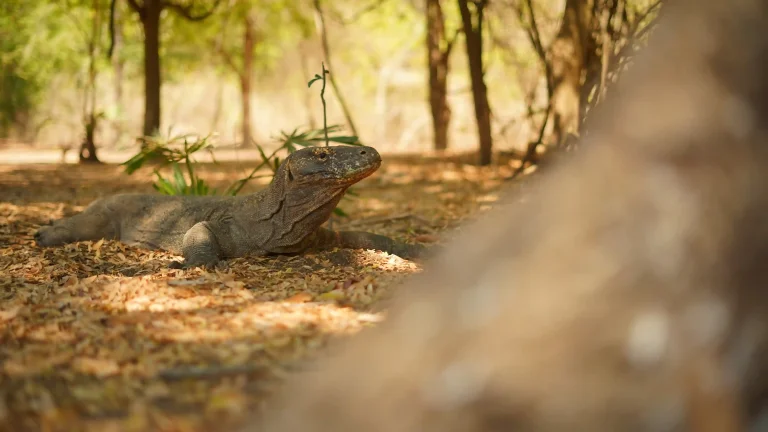
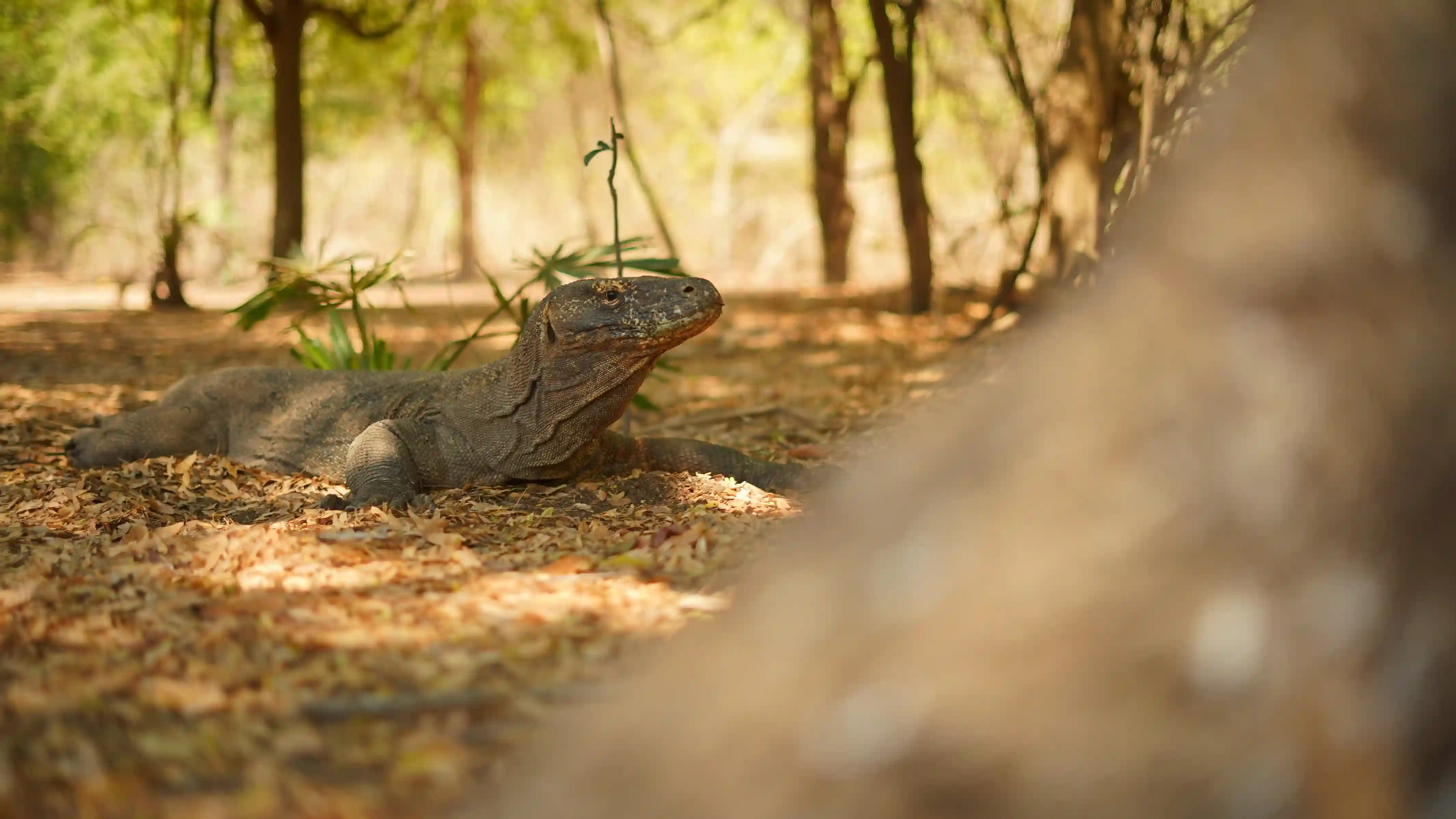
- Respecting Komodo Dragons: Keep a safe distance from these magnificent creatures, typically around 10 meters, and follow the guidance of your park ranger. Visiting during the dry season from April to December increases your chances of spotting them.
- Responsible Snorkeling: Engage in reef-safe snorkeling activities that protect fragile ecosystems. Operators like Raja Ampat Diving emphasize the use of biodegradable sunscreen to prevent coral bleaching.
- Wildlife Observation: Limit noise and avoid disturbing wildlife. Always observe animals in their natural habitat from a distance.
Marine Conservation Initiatives in Komodo
The waters surrounding Komodo are home to diverse marine life, making marine conservation imperative. Participating in marine conservation initiatives can enhance your travel experience while contributing positively to the environment.
- Coral Restoration Projects: Engage with organizations that focus on coral reef restoration. Many dive shops offer volunteer opportunities for divers to work on restoration projects.
- Marine Park Contributions: A portion of entry fees to Komodo National Park goes directly into conservation efforts. Educate yourself about how these funds are used to protect marine habitats.
- Monitoring Programs: Join programs that involve monitoring fish populations and habitats. This hands-on experience provides invaluable insights into marine ecology.
Community-Based Tourism in Flores
Flores offers unique community-based tourism opportunities that allow travelers to immerse themselves in local culture while supporting sustainable livelihoods. By choosing community-based initiatives, you can experience the rich traditions of Flores while empowering local communities.
- Homestays: Stay with local families to learn about their daily lives and customs. This not only provides you with a unique experience but also supports the local economy.
- Traditional Crafts: Participate in workshops to learn about local handicrafts, such as weaving or traditional music. This fosters appreciation for the craft and provides necessary income to artisans.
- Culinary Experiences: Enjoy authentic meals prepared with local ingredients. Consider taking part in a food tour that supports local farmers and promotes sustainable agriculture.
How to Travel Sustainably in Labuan Bajo
To truly embrace sustainable travel in Labuan Bajo, consider the following practical tips:
- Reduce Water Usage: Be mindful of water consumption, especially in areas where water is scarce.
- Choose Local Guides: Hiring local guides not only enriches your experience but also ensures that your money benefits the community directly.
- Offset Carbon Emissions: Consider carbon offset programs that support renewable energy projects or reforestation efforts.
Frequently Asked Questions (FAQ)
- 1. What is the best time to visit Komodo for sustainable travel?
- The best time to visit is during the dry season, from April to December, when wildlife is most active and weather conditions are ideal for outdoor activities.
- 2. How much does an eco-friendly tour cost in Labuan Bajo?
- Prices for eco-friendly tours typically range from $50 to $150 (750,000 to 2,250,000 IDR) per person for day trips, depending on the activities included.
- 3. Are there any local initiatives to reduce plastic waste in Labuan Bajo?
- Yes, several organizations and tours promote “no plastic” initiatives, encouraging tourists to use reusable containers and participate in beach clean-ups.
Conclusion
Sustainable travel in Komodo and Flores is not just a trend; it’s a necessity for preserving the natural beauty and cultural heritage of these stunning regions. By choosing eco-friendly options, respecting local practices, and engaging in community-based tourism, you can enjoy a memorable trip while making a positive impact. Make your journey to Labuan Bajo one that honors both the environment and the people who call it home.
Start planning your sustainable adventure in Komodo and Flores today!
Choosing Eco-Friendly Accommodations
Finding the right place to stay can significantly impact your travel footprint. In Labuan Bajo and Flores, a growing number of eco-friendly accommodations prioritize sustainability through various practices.
- Bajo Komodo Eco Lodge: Located just outside Labuan Bajo, this lodge uses renewable energy and features sustainable architecture. Rooms start at around $75 USD (1,200,000 IDR) per night.
- La Boheme Bajo: This charming hostel not only focuses on eco-practices but also supports local artisans by showcasing their crafts. Dormitory beds are priced at approximately $15 USD (240,000 IDR) a night.
- Plataran Komodo Beach Resort: Situated on the serene Waecicu Beach, this resort employs solar energy and boasts a waste management system. Prices begin at $120 USD (1,900,000 IDR) per night.
When booking, look for certifications like Green Key or EarthCheck, which indicate genuine commitment to sustainable practices.
Engaging with Local Communities
One of the best ways to ensure your visit is sustainable is to engage directly with local communities. This not only enhances your travel experience but also supports the livelihoods of residents.
- Village Tours: Consider taking part in community-led tours in places like Wae Rebo or the traditional village of Bena. These tours usually cost around $50 USD (800,000 IDR) and provide insights into local customs and lifestyles.
- Workshops and Classes: Participate in traditional craft workshops, such as weaving in Ruteng or cooking classes featuring local cuisine. These experiences often range from $20 to $40 USD (320,000 to 640,000 IDR) and help preserve local art forms.
- Home Stays: Opt for a home stay in villages like Mali or Sikka, where you can live with locals and get a firsthand glimpse into their daily lives. Prices vary but typically range from $30 to $60 USD (480,000 to 960,000 IDR) per night.
Responsible Wildlife Interaction
When visiting Komodo National Park, it’s essential to respect wildlife and follow guidelines to ensure their protection. Responsible wildlife interaction contributes to conservation efforts and enhances your overall experience.
- Guided Tours: Join tours led by certified guides who can educate you on the unique ecosystems and behaviors of species, including the Komodo dragon. A guided tour often costs about $35 USD (560,000 IDR) per person.
- Observing from a Distance: Always maintain a safe distance from wildlife. For Komodo dragons, the recommended distance is at least 10 meters. This ensures both your safety and that of the animals.
- Marine Conservation Activities: Participate in beach clean-ups and reef restoration projects organized by local NGOs, like the Komodo Conservation Society. These activities are often free and provide a hands-on way to contribute to the preservation of marine environments.
Contributing to Conservation Efforts
Your visit can have a lasting impact if you actively contribute to local conservation efforts. Several organizations focus on protecting the unique biodiversity of the region.
- Komodo National Park Fund: Donations to this fund help maintain park facilities and support conservation programs. Consider donating around $10 to $20 USD (160,000 to 320,000 IDR) as part of your travel budget.
- Volunteer Programs: Engage in volunteer opportunities ranging from wildlife monitoring to community education. Programs typically last a week or more and can cost anywhere from $200 to $500 USD (3,200,000 to 8,000,000 IDR) depending on the organization.
- Support Local NGOs: Purchase handmade goods from local NGOs that promote conservation efforts. These purchases help fund various initiatives while providing artisans with a sustainable income.
Explore more from Labuanbajoairport
Keep Reading
Uncategorized
Navigating Komodo and Beyond: Your 2027 Guide to Labuan Bajo’s Charms
For those planning their 2027 Indonesian adventure, Labuan Bajo remains a prime gateway to the Komodo National Park. However, this…
Uncategorized
Labuan Bajo Liveaboard Booking Guide 2027: Planning Your Komodo Expedition
Booking a Labuan Bajo liveaboard for 2027 requires careful consideration of budget, trip duration, and specific interests like diving or…

Uncategorized
Komodo Luxury Cruise: Comparing Premium and Standard Options for Families and Groups in 2027
Choosing between premium and standard Komodo luxury cruises for your family or group involves understanding the direct trade-offs in vessel…